Critical Lithium Battery Terminology: Self-Discharge Rate, Cycle Life & Discharge C-Rate Explained
Critical Lithium Battery Terminology: Self-Discharge Rate, Cycle Life & Discharge C-Rate Explained
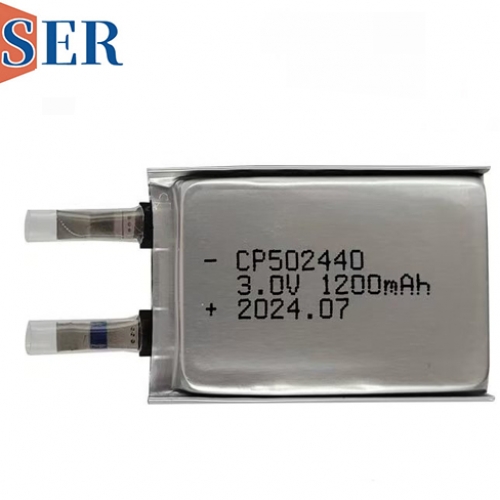
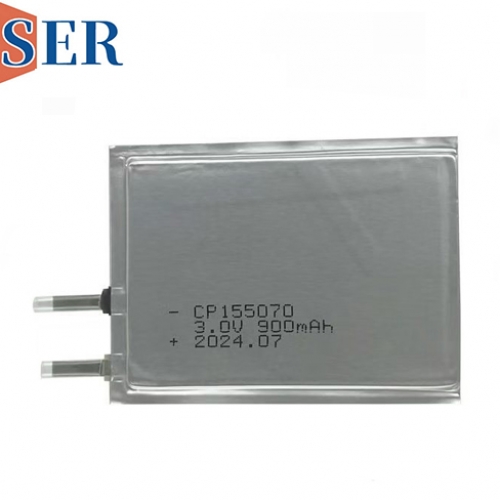
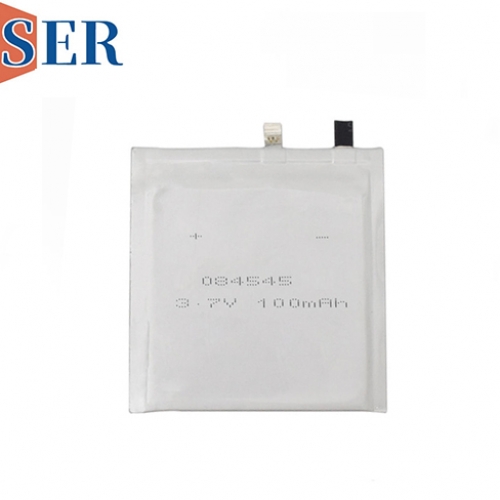
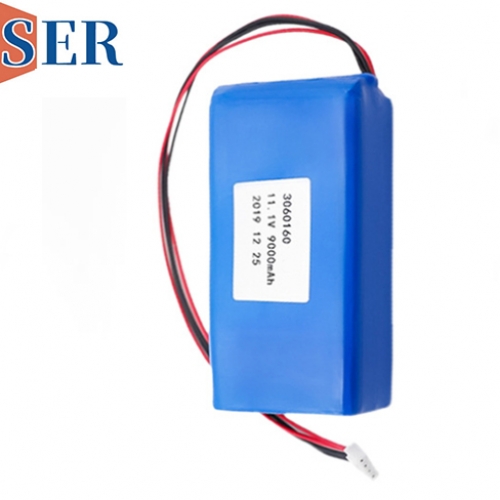
For professionals and buyers navigating the lithium battery market, understanding specialized metrics is key to selecting optimal solutions for diverse applications. Whether you are evaluating the ultra-reliable LiSOCL2 battery, high-energy Lipo battery, compact ultra thin battery, or rugged high temperature battery, parameters like self-discharge rate (K-value), cycle life, and discharge C-rate directly define performance, longevity, and application compatibility. This guide breaks down these core terms with tailored insights for each battery type, empowering you to make data-driven decisions.
1. Self-Discharge Rate (K-Value)
Self-discharge rate, also referred to as K-value in industry practice, is a quantitative metric to measure the speed of a battery’s capacity loss in an open-circuit state. While it shares the same core concept as the self-discharge rate mentioned earlier, this K-value is specifically tested after battery grading (capacity sorting) over a relatively short period, making it a quick quality inspection indicator for mass production.
Calculation Formula
Application Insights for Specialized Batteries
2. Cycle Life
Cycle life is a key performance indicator for rechargeable lithium batteries. A full charge-discharge cycle is defined as one complete cycle. Over repeated cycles, a battery’s capacity gradually degrades due to side reactions like SEI film growth, active material dissolution, and electrolyte decomposition.
Core Definition
Cycle life refers to the number of charge-discharge cycles a battery can endure before its capacity drops to 80% of the rated capacity under specified discharge conditions (e.g., voltage range, discharge rate, temperature). For example, lithium iron phosphate (LFP) batteries are typically tested within a voltage window of 2.0–3.65V.
Cycle Life Variations Across Battery Chemistries
Key Factors Influencing Cycle Life
Cycle Life Requirements for Specialized Batteries
3. Discharge C-Rate
Discharge C-rate is a metric that quantifies the speed of battery discharge, defined as the current value required to release the battery’s rated capacity within a specified time. Numerically, it equals the multiple of the battery’s rated capacity.
Classification by Discharge C-Rate
Practical Example
For a battery with a rated capacity of 10Ah:
The higher the C-rate, the faster the battery discharges energy. However, high C-rate discharge generates more heat, which can temporarily reduce capacity and accelerate long-term degradation.
Discharge C-Rate Optimization for Specialized Batteries
Conclusion: Choose the Right Battery by Mastering Key Metrics
Self-discharge rate (K-value), cycle life, and discharge C-rate are three foundational metrics that determine how a lithium battery performs in real-world applications. For long-term storage needs, prioritize LiSOCL2 batteries with ultra-low K-values. For rechargeable devices requiring durability, select Lipo batteries or high temperature batteries with optimized cycle life. For compact wearables, ultra thin batteries with controlled C-rates and minimal self-discharge are the ideal choice.
At www.serui-battery.com, we specialize in customizing LiSOCL2 battery, Lipo battery, ultra thin battery, and high temperature battery solutions tailored to your specific C-rate, cycle life, and self-discharge requirements. Our rigorous testing and advanced manufacturing processes ensure every battery meets the highest industry standards.