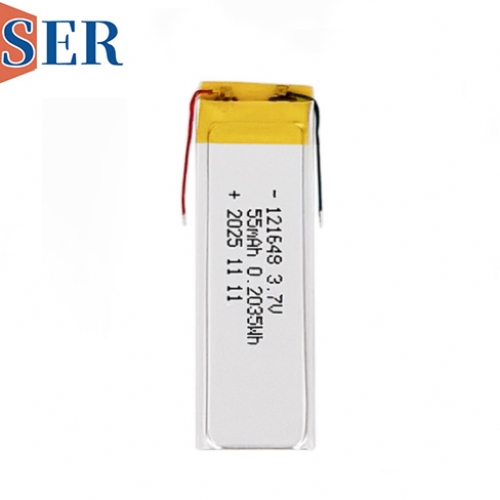
LiMNO2 Battery to Ultra-Thin Custom Flat Primary Lithium Solutions
LiMNO2 Battery to Ultra-Thin Custom Flat Primary Lithium Solutions
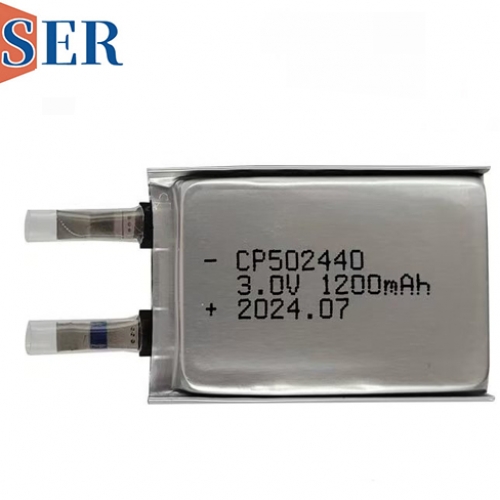
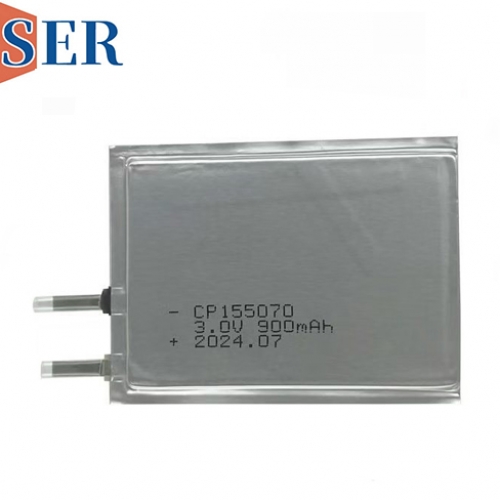
In today’s fast-evolving landscape of connected devices, portable electronics, and smart infrastructure, the demand for reliable, space-efficient, and application-specific power sources has never been higher. Among the most innovative and widely adopted energy solutions in this category is the LiMNO2 battery, also known as the lithium manganese dioxide soft pack battery. This custom flat primary lithium battery has redefined what engineers and product designers can expect from a primary power source, combining ultra-slim profiles, exceptional safety performance, and flexible customization to meet the unique needs of modern IoT ecosystems, tracking devices, and portable power accessories.
Unlike traditional cylindrical or coin cells that often force product designers to compromise on form factor, internal layout, or battery life, the LiMNO2 soft pack battery is engineered from the ground up to prioritize adaptability. It delivers consistent 3.0V nominal output, can be configured into higher-voltage battery packs, and supports a wide range of use cases from compact location trackers to high-capacity single-use power bank solutions. Whether you are developing a new generation of wearable IoT sensors, designing a disposable emergency power product, or sourcing a reliable energy component for industrial tracking systems, understanding the full capabilities of this Ultra-Thin Battery technology is essential to making informed decisions that balance performance, cost, and long-term reliability.
What Exactly Is a LiMNO2 Battery Soft Pack?
A LiMNO2 battery soft pack is a flat, primary lithium battery that uses lithium manganese dioxide as its core cathode material. Unlike rechargeable lithium-ion batteries that rely on intercalation chemistry for repeated charge-discharge cycles, primary LiMNO2 cells are designed for single-use discharge, delivering stable voltage, high energy density, and an extremely long shelf life that can span up to 10 years under proper storage conditions.
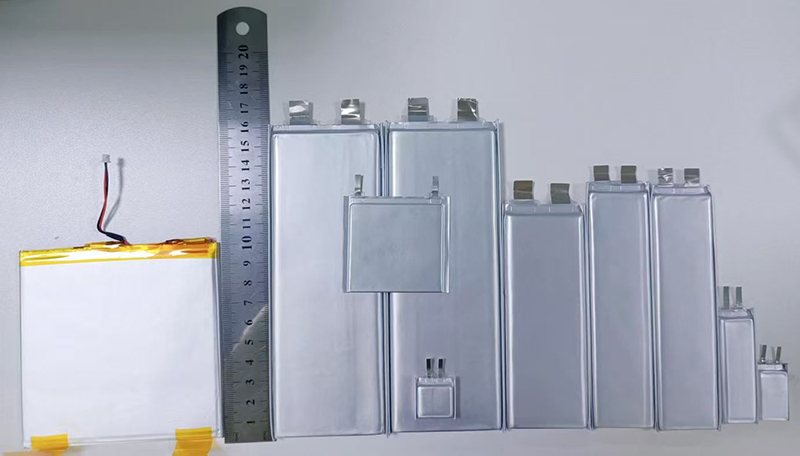
What makes this battery stand out in the crowded primary battery market is its Custom pouch construction. Instead of being housed in a rigid metal can, the cell is sealed inside a lightweight, flexible aluminum-laminated film casing. This Custom pouch construction is the foundation of its versatility: it allows manufacturers to shape the battery into almost any flat profile, rather than being constrained by the fixed dimensions of standard cylindrical or prismatic cells. This is exactly why it is widely referred to as a custom flat primary lithium battery — it can be tailored to fit the exact internal space of a device, no matter how irregular or slim the product design may be.
The soft, pouch-based design also eliminates many of the structural weaknesses found in traditional primary batteries. There are no sharp edges, no protruding terminals that risk damaging delicate internal circuits, and no rigid casing that wastes valuable space inside compact electronics. For product designers working on devices that demand a sleek, low-profile aesthetic, this soft pack battery architecture opens up entirely new possibilities that simply cannot be achieved with conventional battery formats.
The Core Advantages of Ultra-Thin Battery Technology
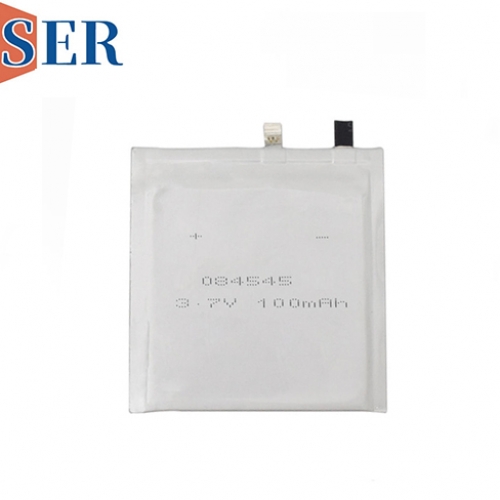
The term Ultra-Thin Battery is not just a marketing buzzword when applied to LiMNO2 soft pack cells — it describes a tangible, game-changing physical property that has unlocked innovation across dozens of industries. Traditional primary batteries often require a minimum thickness of several millimeters, making it impossible to integrate them into ultra-slim devices that measure just a few millimeters in total thickness. LiMNO2 soft pack batteries break this barrier, with some specialized models achieving thicknesses of less than 1mm, while still delivering usable capacity and stable 3.0V output.
This ultra-thin profile brings three distinct advantages that no other primary battery chemistry can match at comparable cost levels. First, it enables radical product miniaturization. A device that once needed a bulky battery compartment can now be slimmed down to a fraction of its original size, allowing designers to create products that are more comfortable to carry, easier to integrate into tight spaces, and far more aesthetically appealing to end users. Second, it allows for far more efficient use of internal device volume. Instead of leaving large empty gaps around a standard-sized battery, a custom-shaped LiMNO2 soft pack can fill every available millimeter of unused space, effectively increasing total battery capacity without making the device any larger. Third, the slim form factor improves thermal performance: the large, flat surface area of the cell allows heat generated during discharge to dissipate far more evenly, reducing localized hotspots and further enhancing overall safety.
Beyond its slim dimensions, the LiMNO2 chemistry itself offers exceptional operational stability. The 3.0V nominal voltage is significantly higher than the 1.5V output of standard alkaline batteries, meaning a single LiMNO2 cell can often replace two alkaline cells in low-to-moderate power applications. This reduces the total number of batteries required in a device, further cutting down on weight, complexity, and assembly costs. The chemistry also maintains a remarkably flat discharge curve, meaning the output voltage stays consistently close to 3.0V for almost the entire life of the battery, rather than dropping off rapidly as the cell depletes. This consistent voltage performance is critical for sensitive electronics like GPS modules, wireless communication chips, and microcontrollers that require stable power to operate reliably.