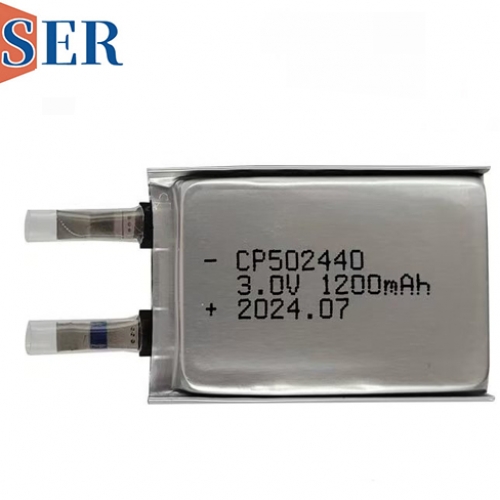
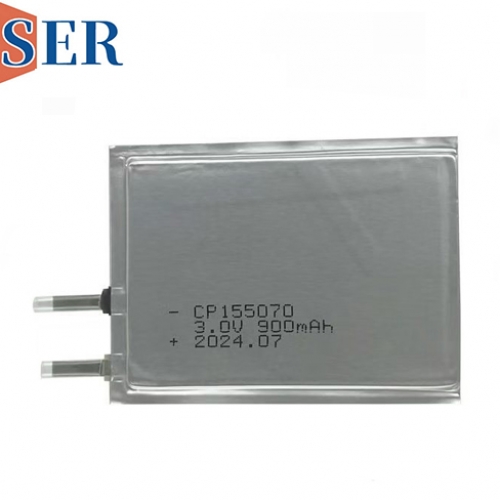
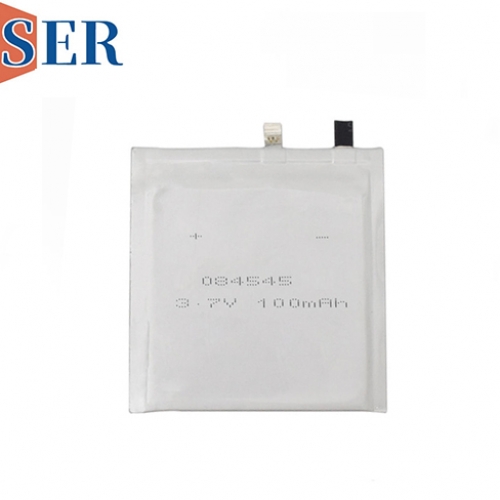
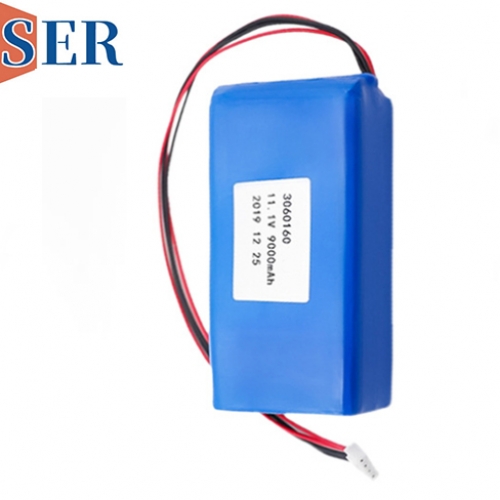
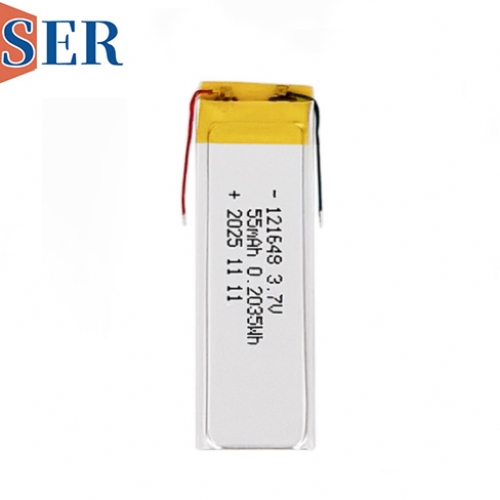
Ultra Thin Battery and Thin LiMnO2 Battery for tracking device and IOT device
Ultra Thin Battery and Thin LiMnO2 Battery: The Optimal Non-Rechargeable Power Solution for Modern Electronic Devices
By SER GROUP LIMITED
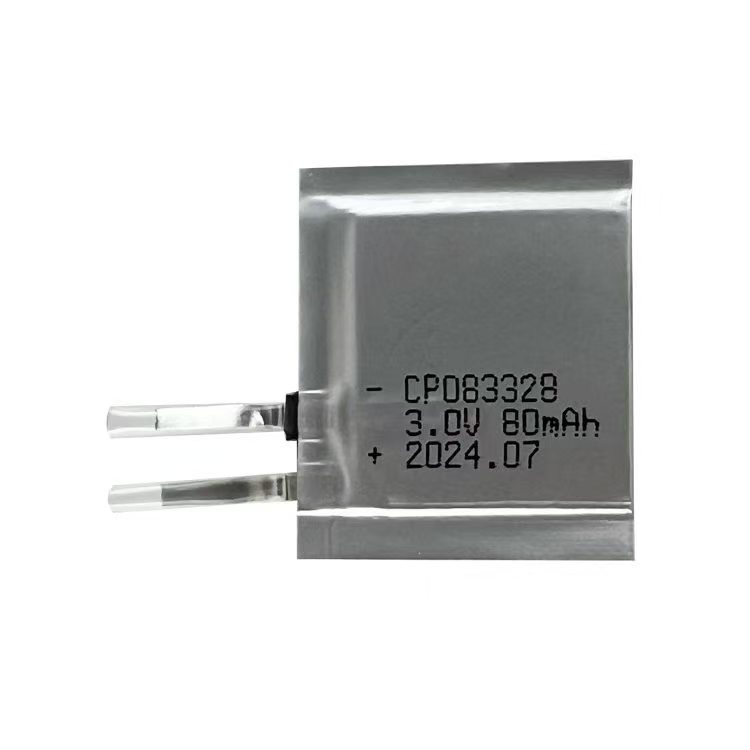
In the rapidly evolving landscape of portable electronics, Internet of Things (IoT) devices, tracking systems, and smart emergency power equipment, the demand for high-performance non-rechargeable batteries has never been greater. Designers and engineers across industries are constantly searching for power sources that deliver exceptional longevity, enhanced safety, flexible dimensional customization, and reliable performance under diverse operating conditions. Among the wide spectrum of primary battery technologies available today, ultra thin battery and thin LiMnO2 battery based on lithium-manganese dioxide (LiMnO₂) chemistry have emerged as game-changing solutions. These 3.0V LiMnO₂ batteries stand out for their lightweight construction, customizable ultra-thin profiles, and extended service life, making them indispensable for modern compact electronic applications. For projects prioritizing long life time, superior safety, and easy dimensional customization, thin LiMnO₂ batteries are no longer just an option—they are a necessity. As a leading manufacturer in this specialized field, SER GROUP LIMITED has solidified its reputation by delivering premium ultra thin battery and thin LiMnO₂ products, combining outstanding discharge performance, stable supply capacity, and diversified customization services to become a respected small giant in the global battery industry.
1. The Growing Demand for Specialized Non-Rechargeable Batteries
The global electronics industry is undergoing a profound transformation driven by miniaturization, connectivity, and long-term deployment. Devices are becoming smaller, smarter, and more power-efficient, while many applications require batteries to operate continuously for years without replacement or recharging. This trend is particularly evident in tracking and positioning products, IoT sensors, wearable electronics, smart labels, and intelligent emergency charging devices. Unlike consumer electronics that rely on rechargeable lithium-ion batteries, these devices often operate in remote, inaccessible, or fixed installations where battery replacement is impractical, costly, or impossible. As a result, the market demands non-rechargeable batteries that can provide stable voltage output over an extended lifespan, maintain high safety standards, and adapt to unique form factors dictated by device design.
Traditional primary batteries such as alkaline batteries, zinc-carbon batteries, and even some cylindrical lithium batteries face significant limitations in meeting these modern requirements. Alkaline batteries, while affordable, suffer from relatively short service life, larger physical size, and lower energy density, making them unsuitable for slim, long-lasting devices. Cylindrical lithium batteries offer better performance but lack flexibility in shape and thickness, restricting their use in ultra-compact or flat electronic designs. Many industrial-grade batteries also struggle with customization barriers, forcing product designers to compromise on device aesthetics, functionality, or internal layout. Safety remains another critical concern, as batteries used in IoT and tracking devices may be exposed to varying temperatures, humidity, and physical stress, requiring stable chemical properties and low risk of leakage, overheating, or rupture.
Against this backdrop, the need for a next-generation non-rechargeable battery technology has become urgent. The ideal solution must combine three core advantages: long life time to support multi-year device operation, enhanced safety to ensure reliable performance in diverse environments, and easy customization to fit unique device dimensions. This is precisely where ultra thin battery and thin LiMnO2 battery technology excels. Lithium-manganese dioxide (LiMnO₂) chemistry, with its nominal voltage of 3.0V, provides a compelling combination of high energy density, stable discharge, and inherent safety. When engineered into ultra-thin, flexible formats, these batteries unlock new possibilities for device innovation, enabling slimmer profiles, more versatile designs, and longer operational lifespans than ever before.
2. Fundamentals and Advantages of 3.0V LiMnO₂ Thin Battery Technology
Lithium-manganese dioxide (LiMnO₂) batteries are a category of primary lithium batteries that use metallic lithium as the anode and manganese dioxide as the cathode, with an organic electrolyte system. Unlike aqueous electrolyte batteries, LiMnO₂ batteries feature a non-aqueous, stable electrolyte that minimizes self-discharge and supports long-term storage. With a standard nominal voltage of 3.0V, these batteries deliver nearly double the voltage of conventional alkaline batteries, allowing device designers to reduce the number of battery cells required, simplify circuit design, and save internal space.
The most distinctive feature of modern LiMnO₂ batteries is their ability to be manufactured into ultra thin battery configurations. Unlike rigid cylindrical or prismatic batteries, thin LiMnO₂ batteries utilize laminated, flexible packaging materials that enable extremely low thickness profiles. This structural innovation is a breakthrough for industries demanding compact, flat power sources. Beyond their slim form factor, thin LiMnO₂ batteries offer a host of inherent benefits that align perfectly with the needs of tracking, IoT, and smart emergency devices.
2.1 Exceptional Long Life Time and Low Self-Discharge
Longevity is a defining characteristic of thin LiMnO2 battery products. The chemical stability of lithium-manganese dioxide chemistry results in an extremely low self-discharge rate, typically less than 1% per year at room temperature. This means that a properly manufactured thin LiMnO₂ battery can retain most of its capacity for several years during storage, making it ideal for devices that require long-term standby operation. For tracking and positioning products used in logistics, asset management, and vehicle monitoring, this extended life time ensures continuous functionality without frequent battery replacements. Similarly, IoT sensors deployed in smart cities, industrial monitoring, and environmental detection rely on long-lasting power sources to maintain data transmission over years of service. In smart emergency charging devices, the long life time of LiMnO₂ batteries guarantees that backup power is available whenever needed, even after prolonged periods of inactivity.
Unlike many other battery chemistries that experience rapid capacity degradation over time, LiMnO₂ batteries maintain consistent voltage output throughout their discharge cycle. This stable discharge profile prevents sudden voltage drops that could disrupt device operation, ensuring reliable performance from the first day of use until the end of the battery’s service life. For critical applications such as personal tracking devices, medical alert sensors, and emergency beacons, this reliability can be essential.
2.2 Enhanced Safety Profile
Safety is a non-negotiable requirement for batteries used in consumer and industrial electronics, and ultra thin battery designs based on LiMnO₂ chemistry prioritize safety as a core design principle. Lithium-manganese dioxide batteries have excellent thermal stability, reducing the risk of thermal runaway, overheating, or combustion under normal operating conditions. The use of high-quality, leak-proof flexible packaging further enhances safety by preventing electrolyte leakage, even when the battery is subjected to minor physical impact, bending, or compression.
Compared to other lithium-based batteries that may use more reactive chemistries, LiMnO₂ batteries have a more stable electrochemical system. They are less prone to short circuits, internal pressure buildup, or swelling, making them suitable for use in enclosed devices, wearable products, and equipment that comes into close contact with users. For manufacturers, this high safety profile reduces liability risks, simplifies certification processes, and improves overall product reliability. For end-users, it ensures that devices powered by thin LiMnO₂ batteries are safe to use in various environments, including extreme temperatures, high humidity, and demanding industrial settings.
2.3 Lightweight Construction for Portable Devices
Weight reduction is a key goal in modern electronic design, especially for portable, wearable, and mobile tracking devices. Thin LiMnO2 battery solutions are inherently lightweight due to their high energy density and thin-film construction. The use of lithium-based chemistry provides much higher energy density than alkaline or zinc-carbon batteries, meaning more power can be stored in a smaller, lighter package. This lightweight characteristic is invaluable for applications such as personal GPS trackers, smart tags, wearable IoT devices, and compact emergency chargers, where excess weight would negatively impact user experience or device portability.
The combination of light weight and ultra-thin form factor allows device designers to create slimmer, more ergonomic products without sacrificing power capacity. Whether integrated into credit-card-sized emergency power banks, flexible tracking labels, or slim IoT sensors, thin LiMnO₂ batteries add minimal weight while delivering maximum performance.
2.4 Easy Customization of Dimensions and Specifications
One of the most significant advantages of ultra thin battery technology is its high degree of customization flexibility. Traditional battery manufacturers often offer only standardized sizes, forcing product designers to adapt their devices to existing battery dimensions. In contrast, thin LiMnO₂ batteries can be easily customized in terms of thickness, length, width, and capacity to match specific device requirements. Manufacturers can produce batteries with thicknesses ranging from less than 1mm to several millimeters, catering to extremely slim device designs.
This customization capability extends beyond physical dimensions. Manufacturers can adjust capacity levels, discharge rates, and terminal configurations to meet the unique power needs of different applications. For example, a small tracking device may require a thin, low-capacity battery, while a more power-hungry IoT sensor may need a slightly thicker, higher-capacity version. This level of flexibility accelerates product development cycles, reduces design compromises, and enables truly innovative electronic devices that stand out in competitive markets.
3. Application Scenarios of Ultra Thin Battery and Thin LiMnO2 Battery
The unique combination of long life time, safety, light weight, and customizable ultra-thin design has made thin LiMnO2 battery products increasingly popular across multiple high-growth industries. Below are the primary application areas where these batteries deliver exceptional value.
3.1 Tracking and Positioning Products
Tracking and positioning devices represent one of the largest and fastest-growing markets for ultra thin battery solutions. These devices include GPS trackers for vehicles, logistics assets, personal safety, pets, and valuable goods. Most tracking devices require long-term, uninterrupted power supply, often in compact, flat form factors. Thin LiMnO₂ batteries provide the necessary 3.0V voltage, extended service life, and slim profile to fit inside small tracking tags and beacons. Their low self-discharge rate ensures that tracking devices remain operational for months or even years, while their customizable dimensions allow integration into sleek, unobtrusive designs.
3.2 Internet of Things (IoT) Products
The IoT revolution relies on countless sensors, wireless communicators, and smart nodes deployed across residential, commercial, and industrial environments. Many IoT devices are designed for long-term, maintenance-free operation in remote or hard-to-reach locations. Thin LiMnO2 battery technology is perfectly suited for these applications, providing stable power for smart sensors, wireless switches, environmental monitors, smart meters, and industrial IoT equipment. The ultra-thin form factor allows batteries to be embedded within thin IoT devices, while their long life time eliminates the need for frequent battery changes. High safety standards also ensure that IoT batteries operate reliably in diverse environmental conditions.
3.3 Smart Emergency Charging Products
Emergency charging devices, such as compact power banks, single-use emergency chargers, and backup power modules, require reliable, long-lasting power sources that remain ready for use at all times. Ultra thin battery designs based on LiMnO₂ chemistry are ideal for these products due to their long shelf life, stable discharge, and slim, lightweight structure. Credit-card-thin emergency chargers powered by thin LiMnO₂ batteries provide convenient on-the-go power for mobile phones and small electronics, while their long life time ensures that emergency power is available whenever needed.
3.4 Other Emerging Applications
Beyond the core sectors mentioned above, thin LiMnO₂ batteries are finding growing use in a wide range of other devices, including smart packaging, electronic shelf labels, medical monitoring devices, wearable electronics, smart cards, and remote wireless controls. As device miniaturization continues, the demand for ultra thin battery solutions will only increase, solidifying the role of LiMnO₂ technology in the future of portable power.
4. SER GROUP LIMITED: A Leading Manufacturer of Ultra Thin Battery and Thin LiMnO2 Battery
As the global demand for high-performance thin LiMnO₂ batteries continues to rise, SER GROUP LIMITED has established itself as a trusted and innovative manufacturer in this specialized market. With a focus on R&D, production excellence, and customer-centric service, the company has become a small giant in the industry, renowned for its ultra thin battery and thin LiMnO2 battery products.
4.1 Superior Discharge Performance
SER GROUP LIMITED’s thin LiMnO₂ batteries are engineered to deliver outstanding discharge performance across a wide range of operating conditions. By utilizing high-purity raw materials, advanced electrode formulations, and precision manufacturing processes, the company ensures stable voltage output, high energy density, and consistent performance throughout the battery’s lifespan. Whether under low-temperature conditions or moderate load currents, SER’s ultra thin batteries maintain reliable operation, making them suitable for demanding industrial and consumer applications.
4.2 Stable Supply Capacity
In an industry marked by fluctuating raw material prices and supply chain uncertainties, SER GROUP LIMITED maintains a robust and stable production capacity. The company has established long-term partnerships with reliable material suppliers, implemented efficient production lines, and adopted strict quality control systems to ensure consistent product availability. For global customers, this stable supply capacity means reduced lead times, on-time deliveries, and minimized production disruptions—critical factors for businesses operating in competitive international markets.
4.3 Diversified Customization Services
Understanding that different customers have unique design and performance requirements, SER GROUP LIMITED offers highly flexible customization services for its ultra thin battery and thin LiMnO2 battery lines. The company works closely with clients to develop tailored battery solutions in terms of dimensions, capacity, thickness, and connector types. From initial design consultation to prototype development and mass production, SER’s technical team supports customers throughout the product development cycle, enabling them to bring innovative, battery-powered devices to market quickly and efficiently.
4.4 Commitment to Quality and Safety
SER GROUP LIMITED adheres to international quality and safety standards in all aspects of production. Its thin LiMnO₂ batteries undergo rigorous testing for performance, reliability, and safety, including temperature resistance, leakage prevention, short-circuit protection, and cycle stability. By prioritizing quality assurance, the company has earned the trust of customers worldwide and built a reputation for dependable, high-quality ultra thin battery products.
4.5 Industry Recognition and Market Influence
Through continuous technological innovation and customer-focused service, SER GROUP LIMITED has gradually emerged as a leader in the global thin LiMnO₂ battery market. The company’s products are exported to numerous countries and regions, serving leading manufacturers in tracking, IoT, emergency power, and portable electronics. As a small giant in the industry, SER continues to invest in research and development to improve its ultra thin battery technology, expand production capacity, and meet the evolving needs of the global electronics market.
5. The Future Outlook for Ultra Thin Battery and Thin LiMnO2 Battery Technology
The future of the global battery industry is oriented toward miniaturization, higher energy density, longer life, and greater safety. As electronic devices become even more compact, connected, and long-lasting, the demand for ultra thin battery and thin LiMnO2 battery solutions is projected to grow substantially in the coming years. Technological advancements will further reduce battery thickness, increase energy density, and expand customization possibilities, opening new applications in wearable tech, flexible electronics, medical devices, and next-generation IoT systems.
For manufacturers and product designers, choosing thin LiMnO₂ batteries will remain a strategic decision for projects requiring long life time, enhanced safety, and tailored dimensions. As a pioneer in this field, SER GROUP LIMITED will continue to drive innovation in ultra thin battery technology, providing cutting-edge solutions that empower the next wave of electronic device development.
6. Conclusion
In summary, 3.0V LiMnO₂ non-rechargeable batteries represent the optimal power solution for applications demanding long life time, superior safety, and customizable dimensions. The rise of ultra thin battery and thin LiMnO2 battery technology has transformed the design and functionality of tracking and positioning products, IoT devices, smart emergency charging equipment, and countless other portable electronics. With their lightweight construction, ultra-slim profiles, stable discharge, and exceptional longevity, these batteries have become indispensable in modern electronic design.
SER GROUP LIMITED has established itself as a key player in this dynamic industry, standing out for its superior discharge performance, stable supply chain, and comprehensive customization services. As a small giant in the ultra thin battery sector, the company continues to deliver high-quality thin LiMnO₂ solutions to customers worldwide, supporting innovation and growth across multiple industries. For any project prioritizing long life, safety, and design flexibility, thin LiMnO₂ batteries from SER GROUP LIMITED are the ideal choice, combining proven performance with unmatched customization capabilities.