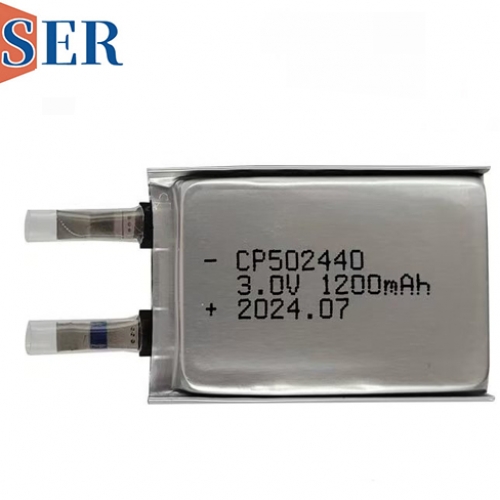
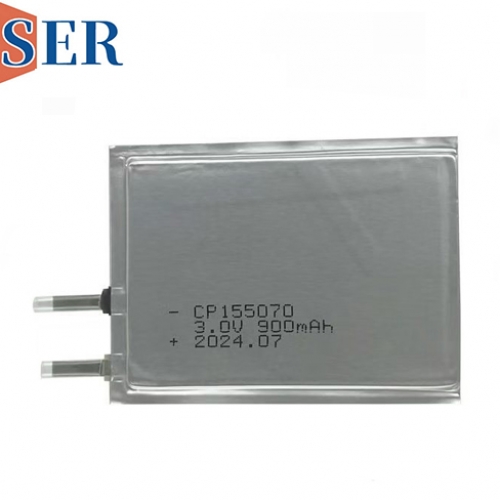
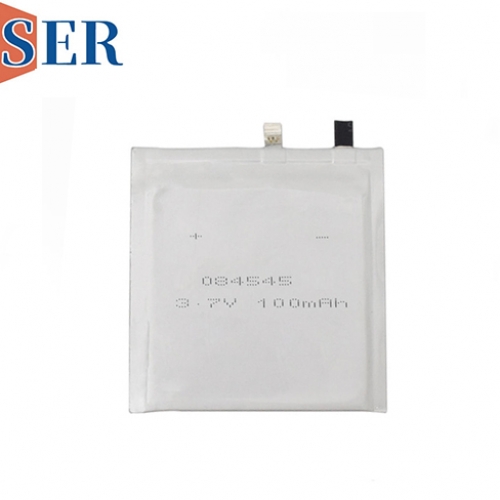
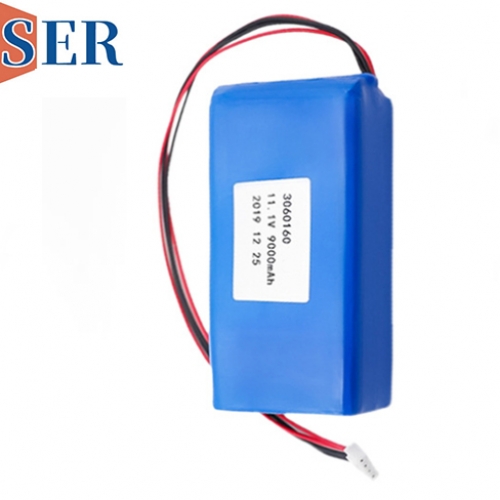
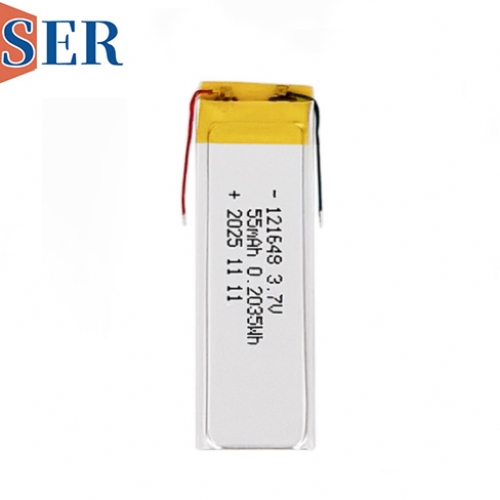
The pouch/prismatic construction makes the LiMnO2 battery safer.
The pouch/prismatic construction makes the LiMnO2 battery safer
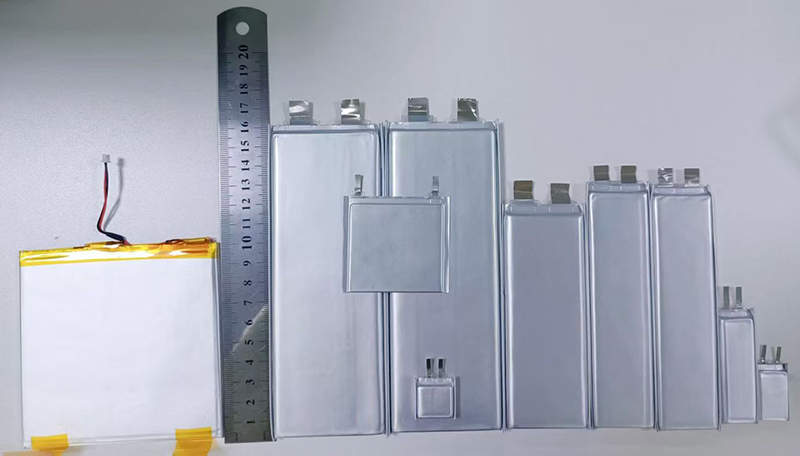
Safety Performance: A Defining Strength of LiMNO2 Soft Pack Batteries
When selecting a primary battery for any application, safety is always the top priority. Poorly designed or low-quality primary lithium cells can pose serious risks, including swelling, leakage, overheating, or even catastrophic failure under abusive conditions. This is where the LiMNO2 battery soft pack truly distinguishes itself from many other lithium primary chemistries on the market.
The combination of lithium manganese dioxide cathode material and the Custom pouch construction creates an inherently safe cell architecture. Unlike lithium thionyl chloride or lithium sulfur dioxide cells that use corrosive, pressurized electrolytes, LiMNO2 soft pack batteries use a non-corrosive, low-pressure electrolyte formulation that drastically reduces the risk of dangerous leakage. The flexible aluminum-laminated casing also acts as a natural pressure buffer: if the cell experiences an unexpected internal fault that generates small amounts of gas, the soft pouch can gently expand rather than rupturing violently like a rigid metal can. This built-in tolerance for minor internal pressure spikes makes the soft pack battery far more forgiving under conditions of over-discharge, external short circuit, or accidental physical deformation.
Modern LiMNO2 soft pack cells are also engineered with multiple layers of internal safety protection. Many models include built-in current interrupt devices (CID) that automatically break the internal circuit if current levels exceed safe limits, preventing overheating during a short circuit. The carefully formulated separator layers between the anode and cathode are designed to resist puncture even if the cell is bent or lightly crushed, minimizing the risk of internal short circuits. For manufacturers integrating these batteries into consumer or industrial products, this high level of inherent safety drastically reduces compliance testing complexity, lowers product liability risk, and gives end users far greater peace of mind.
This exceptional safety record is one of the key reasons LiMNO2 custom flat primary lithium battery solutions have become the preferred choice for applications where batteries are expected to sit in devices for years without maintenance. Whether the battery is sealed inside a remote IoT sensor installed in a field location, embedded inside a wearable medical monitoring device, or stored inside an emergency single-use power bank that may sit on a shelf for years before being used, the stable, non-reactive nature of LiMNO2 chemistry ensures it will remain safe and functional long after many other battery chemistries would have degraded.
Custom Pouch Construction: The Secret to Unmatched Design Flexibility
At the heart of every high-performance LiMNO2 Ultra-Thin Battery is its Custom pouch construction. This manufacturing approach represents a complete departure from the one-size-fits-all philosophy that dominates the standard battery industry. Instead of forcing product designers to adapt their entire product layout around pre-existing standard battery sizes, custom pouch construction allows the battery itself to adapt to the exact shape and space requirements of the product.
The manufacturing process for a custom pouch LiMNO2 cell begins by cutting the cathode, anode, and separator layers to precisely customized dimensions. These layers are then stacked or wound into a flat, slim assembly that matches the exact thickness and footprint specified by the customer. The entire electrode stack is then placed inside a pre-formed pocket of aluminum-laminated film, which is thermally sealed around all edges under precise vacuum conditions. This process allows manufacturers to produce cells in almost any conceivable flat dimension, with thicknesses ranging from under 1mm all the way up to 10mm or more, and footprints that can be scaled to cover almost any flat surface inside a device.
This level of customization is remarkably simple compared to the customization processes required for other battery types. Unlike custom cylindrical cells that require expensive tooling for new can sizes, or custom prismatic cells that need specialized injection molds for rigid casings, custom pouch LiMNO2 cells can often be produced with minimal new tooling investment. This keeps both prototyping costs and minimum order quantities low, making it economically feasible even for small to mid-sized product developers to create a battery that is perfectly optimized for their specific device. This accessibility is one of the most underappreciated advantages of the LiMNO2 soft pack battery ecosystem: it puts advanced, application-specific battery technology within reach of almost any product development team, not just large multinational corporations.
Customization options extend far beyond just basic dimensions. Customers can specify different tab positions to route connection points exactly where they are needed on the device’s PCB, eliminating the need for bulky, space-wasting extra wiring. They can select different tab materials and surface finishes to match their assembly process, whether they prefer spot welding, soldering, or connector-based connections. For applications that need higher voltage than the standard 3.0V nominal output, multiple LiMNO2 cells can be easily connected in series inside the same pouch package, creating a single integrated battery pack that delivers 6.0V, 9.0V, 12.0V, or any other desired voltage level, all within the same slim, flat profile.