Influencing Factors of Lithium Plating on the Anode of Rechargeable Lithium Batteries
Influencing Factors of Lithium Plating on the Anode of Rechargeable Lithium Batteries
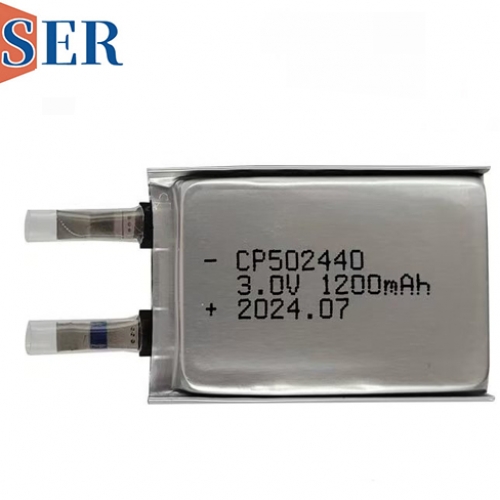
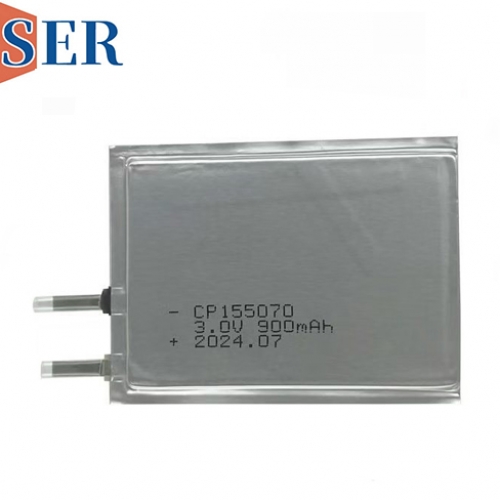
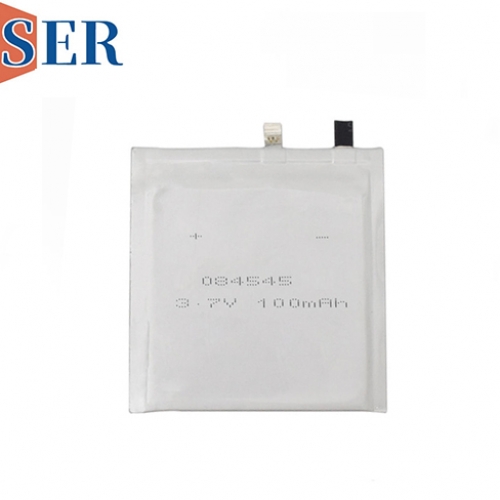
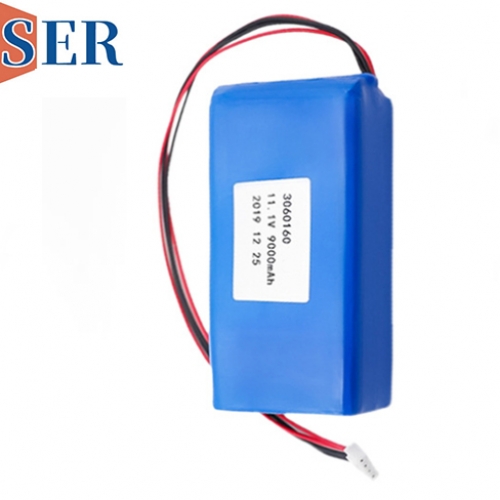
Lithium plating on the anode is a critical electrochemical side reaction that seriously impairs the safety, capacity retention, and cycle life of rechargeable lithium batteries. For high-performance and specialized battery variants such as ultra thin battery, Lipo battery, high temperature battery, and rechargeable ultra thin Lipo battery, understanding the key factors leading to anode lithium plating is essential for optimizing battery design, formulating reasonable charging strategies, and ensuring long-term reliable operation. Below are the core influencing factors of anode lithium plating in rechargeable lithium batteries, along with their specific impacts on different battery types.
1. Changes in N/P Ratio
The N/P ratio refers to the ratio of anode capacity to cathode capacity in lithium-ion batteries, and its calculation formula is as follows:
N/P = (Specific Capacity of Anode × Mass of Anode Active Material) / (Specific Capacity of Cathode × Mass of Cathode Active Material)
As a crucial parameter affecting battery safety, the N/P ratio has a direct correlation with the occurrence of lithium plating. A relatively low N/P ratio means that the internal structure of the anode cannot fully accommodate all lithium ions extracted from the cathode, leading to the precipitation of excess lithium ions on the anode surface. On the other hand, a higher N/P ratio can to a certain extent prevent lithium plating by providing sufficient anode capacity for lithium intercalation. However, an excessively high N/P ratio will cause excessive delithiation of the cathode, which in turn degrades the overall electrochemical performance of the battery.
Notably, the N/P ratio is not constant during battery cycling; it dynamically changes with the evolution of electrode materials. For example, high-nickel cathode materials, which are prone to structural collapse and dissolution during cycles, will lead to a gradual increase in the N/P ratio as the number of cycles increases. For silicon-based anode materials that suffer from severe volume expansion and particle cracking during lithiation/delithiation processes, the N/P ratio tends to decrease over cycles. This dynamic change poses significant challenges for the long-term stability of rechargeable ultra thin Lipo battery and Lipo battery, which often adopt high-energy-density electrode materials to pursue superior energy storage performance.
2. High-Rate Charging
High-rate charging is another major factor triggering anode lithium plating. During high-rate charging, the current density per unit area on the electrode surface is relatively high. The driving force for lithium ions to migrate from the cathode to the anode surface and intercalate into the graphite solid phase is the concentration gradient. However, the graphite structure cannot accommodate such a large amount of lithium ions at a rapid pace. In particular, lithium ions may precipitate on the anode surface before they can intercalate into the graphite structure near the current collector, resulting in lithium plating.
This issue is particularly prominent in Lipo battery and rechargeable ultra thin Lipo battery, which are widely used in high-power applications such as drones, portable gaming devices, and wearable electronics that require fast charging. The high current demand during high-rate charging exacerbates the mismatch between the migration rate of lithium ions and their intercalation rate into the anode, significantly increasing the risk of lithium plating. To address this, manufacturers usually equip these batteries with advanced battery management systems (BMS) to regulate the charging current and avoid excessive rate charging.
3. Low-Temperature Charging
Low-temperature environments significantly increase the likelihood of anode lithium plating. As the temperature decreases, the charge transfer impedance of the battery increases, and the electrochemical reaction rate decreases accordingly. Meanwhile, the diffusion rates of lithium ions in the electrolyte and the graphite solid phase are both reduced. Under such conditions, the energy barrier for lithium intercalation remains unchanged, leading to a decreased probability of lithium ions intercalating into the anode structure. Instead, these lithium ions are more likely to accumulate on the anode surface and precipitate as metallic lithium.
For high temperature battery, although they are designed to operate in high-temperature environments, their performance in low-temperature charging scenarios still needs attention. In addition, ultra thin battery used in outdoor wearable devices may also face low-temperature charging conditions, making the control of low-temperature lithium plating a key design consideration. Optimizing electrolyte formulations (e.g., using low-freezing-point electrolytes) and improving electrode conductivity are effective ways to mitigate lithium plating during low-temperature charging.
4. Overcharging
Overcharging refers to the behavior of continuing to charge the battery after it is fully charged (reaching 100% State of Charge, SOC) and the charging voltage exceeds the upper cut-off voltage. Overcharging causes severe damage to the battery, as shown in the morphology of the anode surface under different SOC conditions (as illustrated in the figure). Normally, overcharging does not occur during the testing of single cells. However, for battery modules formed by series or parallel connection, if the consistency of the batteries in a batch is poor and there is a large capacity difference between them, it is easy to have a situation where some batteries are still being charged while others are overcharged, leading to lithium plating on the anode of the overcharged batteries.
This consistency issue is particularly critical for rechargeable ultra thin Lipo battery and ultra thin battery modules. Due to their compact structural design, the manufacturing process of these batteries has higher requirements for consistency. Poor consistency not only causes overcharging and lithium plating but also may lead to thermal runaway in severe cases, endangering the safety of the battery system. Strict quality control during battery production and the use of balanced charging technologies in BMS are essential to prevent overcharging and lithium plating.
Conclusion
The occurrence of lithium plating on the anode of rechargeable lithium batteries is a comprehensive result of multiple factors, including changes in the N/P ratio, high-rate charging, low-temperature charging, and overcharging. For specialized battery types such as ultra thin battery, Lipo battery, high temperature battery, and rechargeable ultra thin Lipo battery, targeted measures should be taken according to their application scenarios and structural characteristics to mitigate lithium plating. This includes optimizing the N/P ratio design, formulating appropriate charging strategies, improving electrolyte and electrode materials, and enhancing battery consistency. By effectively controlling these influencing factors, the safety, reliability, and service life of rechargeable lithium batteries can be significantly improved, promoting their broader application in various fields.