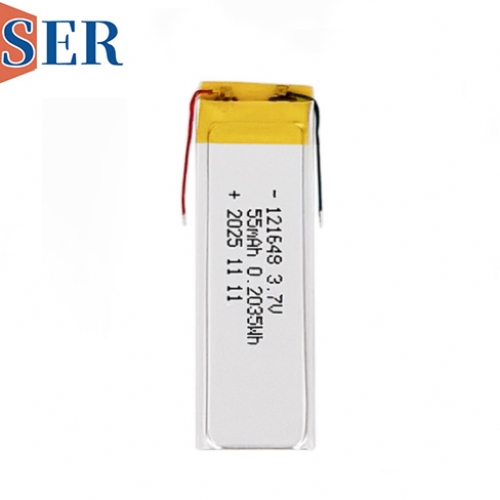
Key Lithium Battery Terminology: A Practical Guide for LiSOCL2 battery, LiPo battery, Ultra Thin battery and High Temperature Batteries
Key Lithium Battery Terminology: A Practical Guide for LiSOCL2 battery, LiPo battery, Ultra Thin battery and High Temperature Batteries

In the evolving landscape of lithium battery technology, mastering core technical terminology is the foundation of optimizing battery performance, extending service life, and selecting the right solution for specific applications. Whether it is the long-lasting LiSOCL2 battery, high-energy-density Lipo battery, compact ultra thin battery, or rugged high temperature battery, parameters like charge rate, depth of charge/discharge, first-cycle efficiency, and self-discharge rate directly determine their suitability for industrial, consumer electronics, and wearable device scenarios. This guide deciphers essential lithium battery terms, with tailored insights into how these metrics apply to specialized battery types.
1. C-rate (Charge/Discharge Rate)
C is the abbreviation for Capacity, a metric used to quantify the current magnitude during battery charging and discharging. The C-rate reflects a battery’s charge and discharge capability:
Practical Example
For a rechargeable battery with a rated capacity of 1100mAh:
This metric is critical for specialized batteries:
2. State of Charge (SOC) & Depth of Discharge (DOD)
SOC and DOD are complementary metrics used to describe the remaining capacity and discharge level of a battery, expressed as percentages.
Core Definitions
Application Insights for Specialized Batteries
3. First-Cycle Efficiency (%)
First-cycle efficiency is a key indicator of battery electrochemical performance, calculated exclusively for the first charge-discharge cycle of a new battery.
Calculation Formula
This metric reflects the utilization efficiency of active materials during the initial formation of the Solid Electrolyte Interface (SEI) film. A higher first-cycle efficiency indicates fewer side reactions and more efficient use of active lithium ions.
Relevance to Specialized Batteries
4. Areal Density (mg/cm²)
Areal density refers to the mass of active material per unit area of a lithium battery electrode, measured in mg/cm². The calculation excludes the mass of the current collector foil and only accounts for the dry active material mass after electrode drying.
Key Significance
Areal density is a critical manufacturing parameter that directly affects battery energy density, internal resistance, and cycle life. Optimized areal density ensures uniform current distribution, preventing localized overheating and capacity degradation.
Application for Specialized Batteries
5. Gravimetric Capacity (mAh/g)
Gravimetric capacity is the ratio of the electric capacity released by the active material inside a battery to the mass of that active material. It is a core indicator of active material performance, but its value is not absolute—it depends on specific test conditions.
Critical Influencing Factors
Practical Calculation Example
For a lithium iron phosphate (LFP) pouch battery tested under the following conditions:
The gravimetric capacity is calculated as:
Relevance to Specialized Batteries
6. Self-Discharge Rate (%/month)
Self-discharge rate is a critical parameter measuring the capacity loss of a battery during storage in an open-circuit state, expressed as percentage of capacity lost per month (%/month).
Core Principles
Implications for Specialized Batteries
Conclusion: Leverage Terminology to Select the Right Lithium Battery
Understanding these core lithium battery terms is essential for making informed decisions across battery selection, application, and maintenance. For long-term industrial deployments, LiSOCL2 batteries with ultra-low self-discharge and low C-rate performance are the optimal choice. For compact wearables, ultra thin batteries with precise areal density and high first-cycle efficiency deliver reliable power. For high-performance devices, Lipo batteries with high C-rate and gravimetric capacity meet demanding energy needs. For harsh environments, high temperature batteries optimized for thermal stability ensure consistent operation.
To explore premium lithium battery solutions tailored to your specific requirements, visit www.serui-battery.com and consult our team of experts. Master the language of lithium batteries, and unlock the full potential of your energy storage applications.